
To explain why I started eating simple Japanese meals every day, I first need to talk about my childhood and what led me to move to the United States to study abroad.
Jump to:
- Prefer to watch?
- Growing Up in Rural Japan (Not Like Anime at All)
- Moving Abroad and Facing an Identity Crisis
- Rediscovering Japanese Food Through Others
- Cooking “Fancy” Meals and Burning Out
- Discovering a New Way of Thinking About Home Cooking
- How I Cook and Eat Today
- Why I Choose Simple Japanese Meals
- Over to You!
- 📌Pin This Guide For Later!
Prefer to watch?
Growing Up in Rural Japan (Not Like Anime at All)
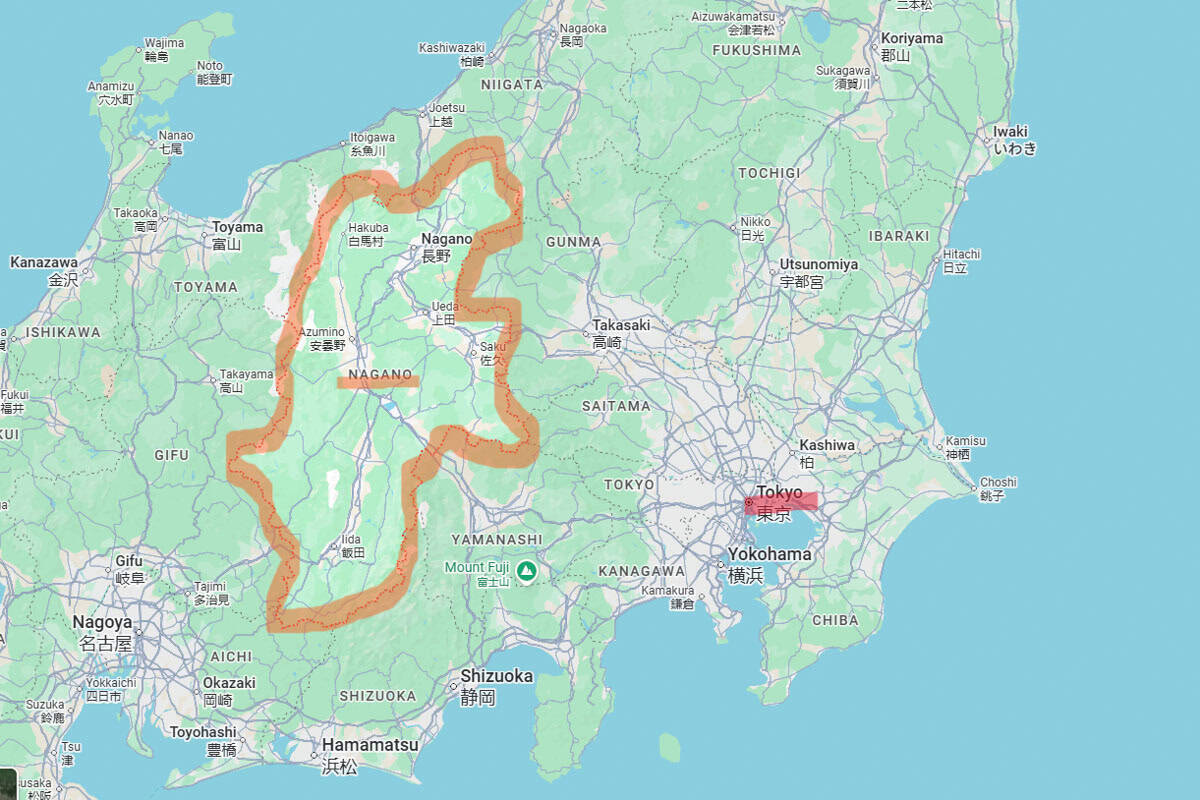
I grew up in a small rural town in Nagano Prefecture. My childhood was nothing like what you often see in anime.
To be honest, I was a little, okay maybe a lot, ashamed of being a “rural town” kid. I always wanted to go to Tokyo or somewhere more appealing or glamorous. That longing probably explains why I became so interested in the world outside of Japan.
When I opened Instagram or YouTube, I saw girls in the U.S. living the life I had been dreaming of. Pilates workouts, beautiful nails, colorful, Instagram-worthy food.
At that time, I did like Japanese food, but I wanted to eat like them. Acai bowls, fancy salads, smoothies, focaccia sandwiches, and all kinds of “exotic” cuisines. I wanted to explore new flavors and new lifestyles.
So, unsurprisingly, I decided to study abroad.
Moving Abroad and Facing an Identity Crisis
Not long after moving to the U.S., I went through a small identity crisis.
At the time, I did not fully understand what was happening inside me, but looking back, I can clearly see it now. It was not dramatic or traumatic, but it shifted my perspective in a big way.
Like most humans, I wanted to blend in with the community around me. As an Asian girl who grew up in Japan, I started feeling ashamed of my appearance, my clothes, and even the food I ate.
So I began dressing like the girls around me and behaving like them.
I lived with roommates and had to cook while they were around, and I became afraid of cooking Japanese food. Partly because I could not explain it well in English, and partly because I believed that being different and eating completely different food was a bad thing.
So I stopped making Japanese meals and tried to cook food similar to what everyone else was eating.
Rediscovering Japanese Food Through Others
A few months later, I met people who were interested in Japanese cuisine and culture. I was genuinely happy. It felt comforting to meet people who shared an interest in something so close to my heart.
But I also realized something surprising.
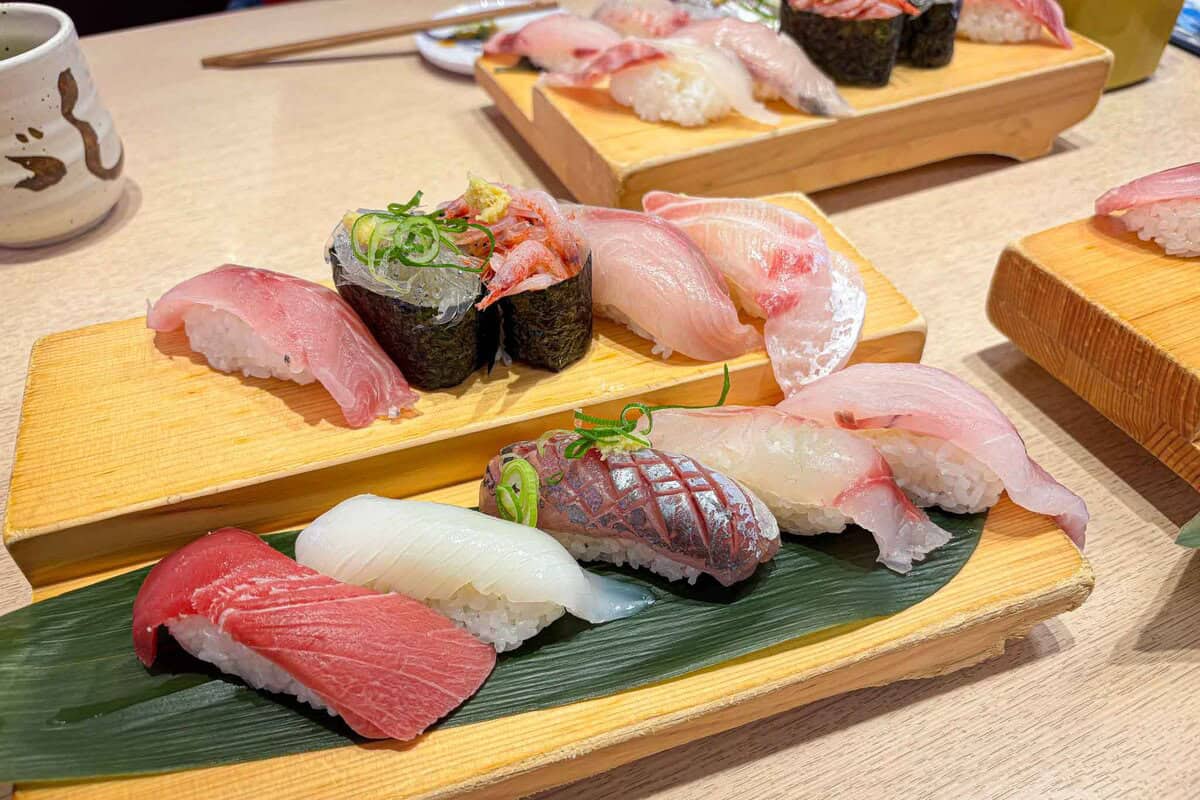
Most of them only knew Japanese foods like ramen and sushi, dishes that are not really everyday meals in Japan. Very few people knew about Japanese home-cooked food.
I also noticed that Japanese cuisine was not as popular as other Asian cuisines, like Korean or Chinese food. That realization made me think, maybe I want to do something about this.
And honestly, thanks to those people who said they loved Japanese cuisine, I slowly started to feel like Japanese meals were not so bad after all.
Cooking “Fancy” Meals and Burning Out
A few years later, I got married to my husband, who is American, and I started cooking at home more often.
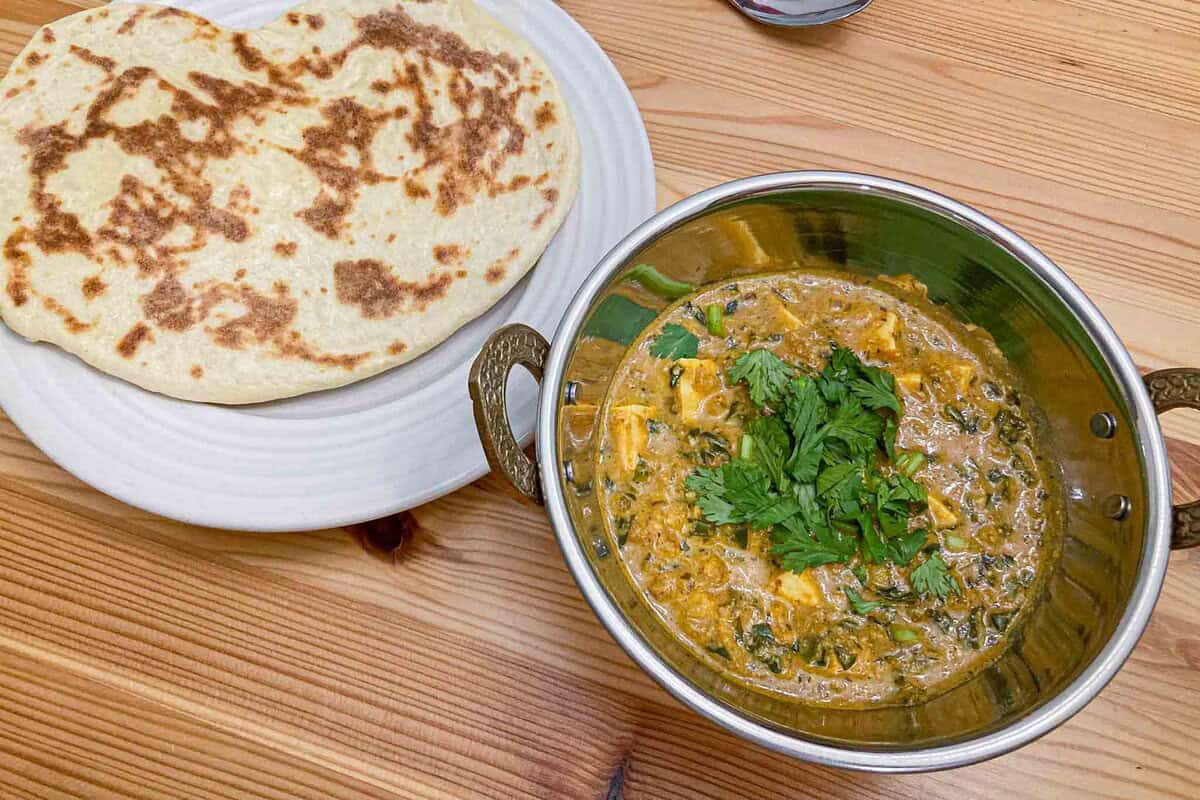
I love cooking and trying new cuisines, but I still felt that Japanese meals were “boring” compared to other cuisines. So I cooked ‘fancy’ meals (aka non-Japanese recipes) almost every day.
When I cooked Japanese food, I often chose more elaborate dishes like Japanese curry or hamburg steak, and I tried to make proper ichiju-sansai meals. I also cooked many non-Japanese dishes I found online.
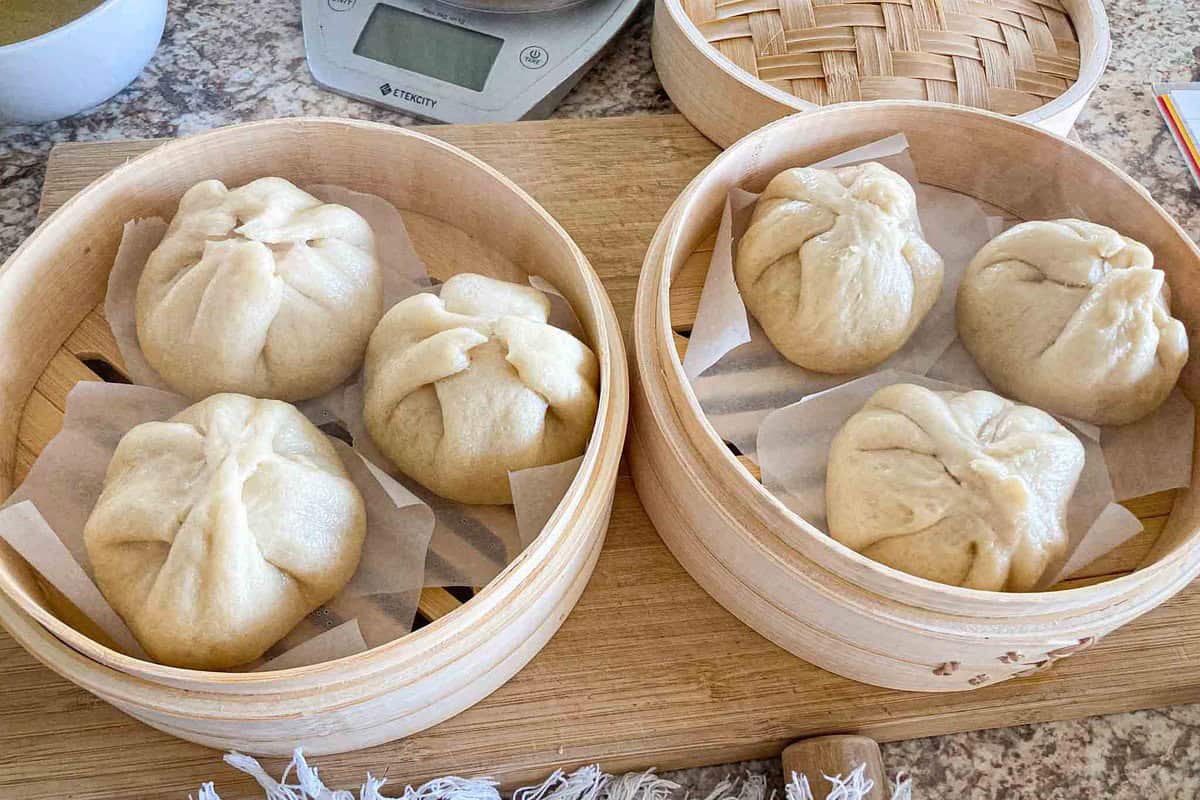
These meals were fun, but also exhausting.
Cooking started to feel like a chore. I spent hours every weekend meal-prepping, and both my body and my brain felt tired. Something clearly was not working.
Discovering a New Way of Thinking About Home Cooking
I wanted to change this, so I started looking for answers, and I found them in books.
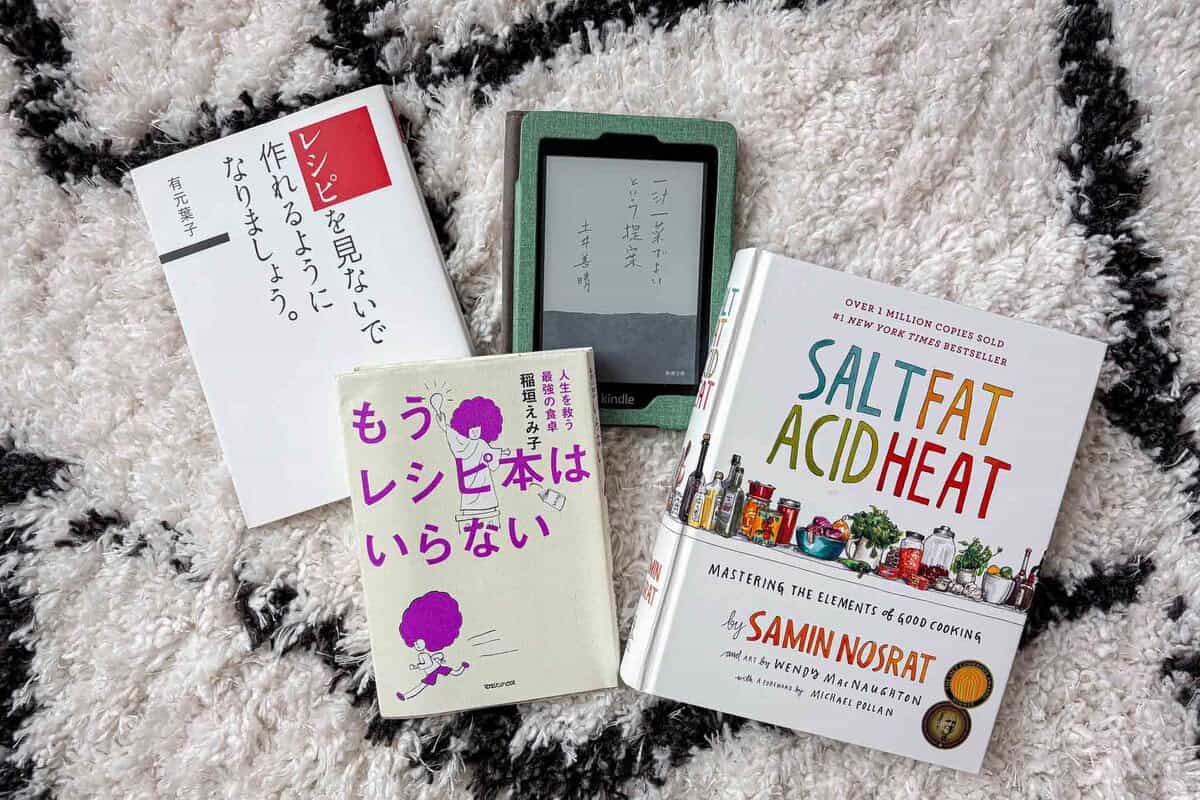
Some of the books that deeply influenced me were:
- 一汁一菜でよいという提案 by 土井善晴
- レシピを見ないでつくれるようになりましょう。 by 有元葉子
- もうレシピ本はいらない by 稲垣えみ子
- Salt, Fat, Acid, Heat by Samin Nosrat
Although they are very different books, they all share similar ideas.
- Food eaten at restaurants and food eaten at home are fundamentally different
- The balance of Hare, special days, and Ke, everyday life, matters more than ever
- Home-cooked meals should not be taken too seriously
- Simple meals can be delicious when you know how to treat ingredients well
- Some meals will not turn out great, and that is okay
- Do not rely only on recipes. Use your senses and taste as you go
- Cooking should be fun
For the first time in years, cooking stopped feeling like something I had to do and started feeling like something enjoyable.
How I Cook and Eat Today
These days, I do not cook fancy meals very often.
I cook with whatever I have in the fridge. I still look at recipes, but instead of following them from A to Z, I use them as references and adjust them as I like.
I do not do big meal-prep sessions anymore because I hate being stuck in the kitchen all weekend. Instead, I do small prep while I am already cooking dinner.
I eat similar foods most days, but I do not get bored. In fact, I enjoy special Hare meals more than ever.
I also use fewer seasonings than before. I got tired of mixing many condiments and owning bottles I barely used. Now, I stick to a few core seasonings and let the ingredients speak.
Why I Choose Simple Japanese Meals
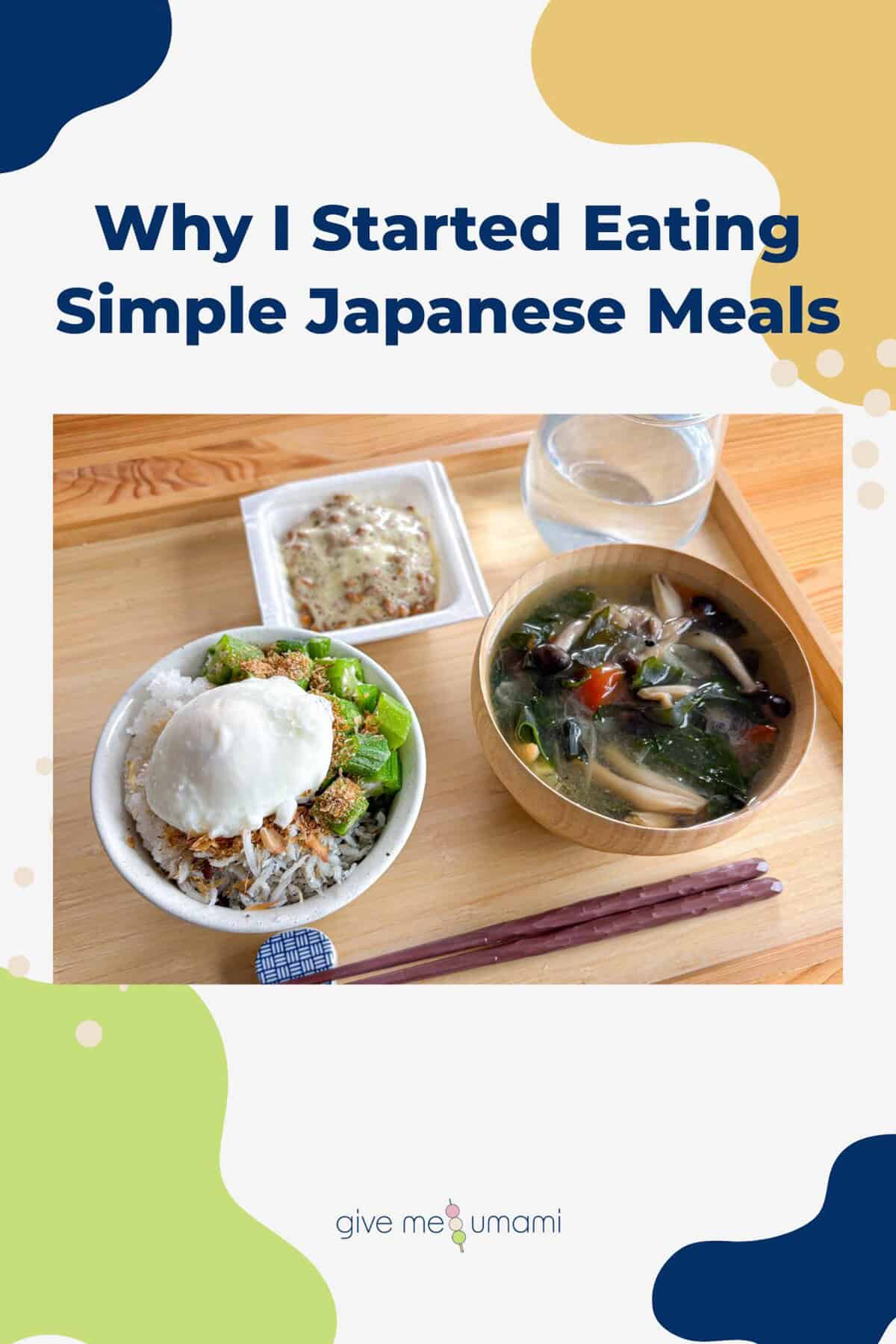
By simple Japanese meals, I mean everyday home cooking made with a few familiar ingredients and seasonings. These are not special-occasion dishes, but meals that you could eat every day without getting bored or tired.
And that is why I eat simple Japanese meals.
Because Japanese home cooking is simple and easy.
Because it helps me enjoy the natural flavors of ingredients.
Because I enjoy the cooking process again.
Because it makes special meals feel truly special.
Because it makes me feel healthy.
And most importantly, because it is delicious.
This is also why I share simple Japanese meals here at Give Me Umami. I want to show that Japanese home cooking can be easy and simple, and fit into real, everyday life without pressure or perfection.
Over to You!
I hope my story helps you feel less pressure to cook fancy meals every day.
It does not have to be Japanese food. But I hope you give yourself permission to make simpler meals instead of constantly chasing new, glamorous recipes.
Remember, much of what we see on social media is not real life. You do not need to cook something different every day or spend your entire weekend meal-prepping.
This is my first post on this blog where I have shared my story. I would love to hear from you in the comments!
Do you have any struggles with cooking at home? What do “simple meals” look like for you?
Thank you so much for reading. I truly wish you the best. 🌿
📌Pin This Guide For Later!
Comments
No Comments