
In this post, I’m covering everything you need to know about miso and how to use it.
Since miso is a staple in Japanese cooking, getting familiar with it will help you create authentic, flavorful dishes with ease.
Let’s get started!
Jump to:
What is Miso and How is it Made?
Miso is a thick, fermented paste that's a staple in Japanese cooking. It adds deep savory flavor, or what we often call "umami," along with saltiness.
There are many different types of miso, and their flavors vary depending on the ingredients and how long they're fermented. Miso is made by fermenting soybeans with salt, koji, and water. This fermentation process is what creates miso's rich, complex umami flavor.
What Does Miso Taste Like?
Miso has a deep, umami-rich flavor that’s salty, savory, and slightly sweet all at once.
If you just need a hit of salt, plain salt will do the job. But when I want to add not just saltiness but also sweetness and umami to a dish, miso is my go-to.
Health Benefits of Miso
Miso is packed with probiotics, thanks to fermentation, which can help with digestion, support your immune system, and even reduce inflammation (source).
Some studies suggest it may also lower the risk of stomach cancer and heart disease, as well as help regulate blood sugar and blood pressure (source).
Pretty amazing for just one ingredient!
What About the Salt in Miso?
A standard serving of miso soup only contains about 0.8g of salt, which isn’t as much as you might think. Plus, miso has peptides that can actually help lower blood pressure!
Unless you're eating massive amounts of miso every day or have specific dietary restrictions, there’s no need to stress. And if you're still concerned, there are low-sodium miso options available.
Note: I’m not a doctor or nutritionist—just sharing general info! If you have health concerns, it’s always best to check with a professional.
What are the Different Types of Miso?

Miso comes in a variety of flavors and colors, all depending on the ingredients, their ratios, and how long they’re fermented. Here’s a simple breakdown of the main types:
Miso by Color
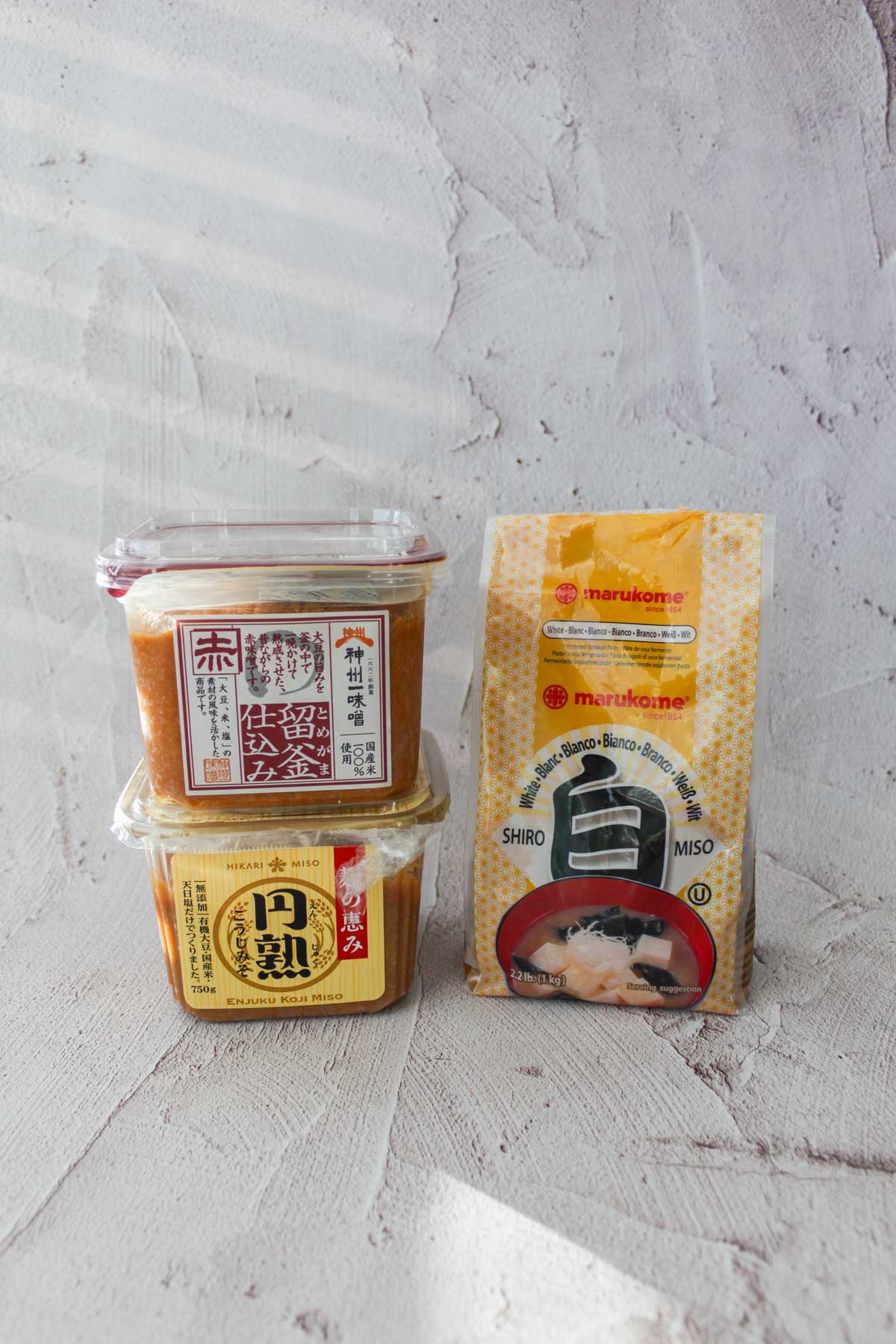
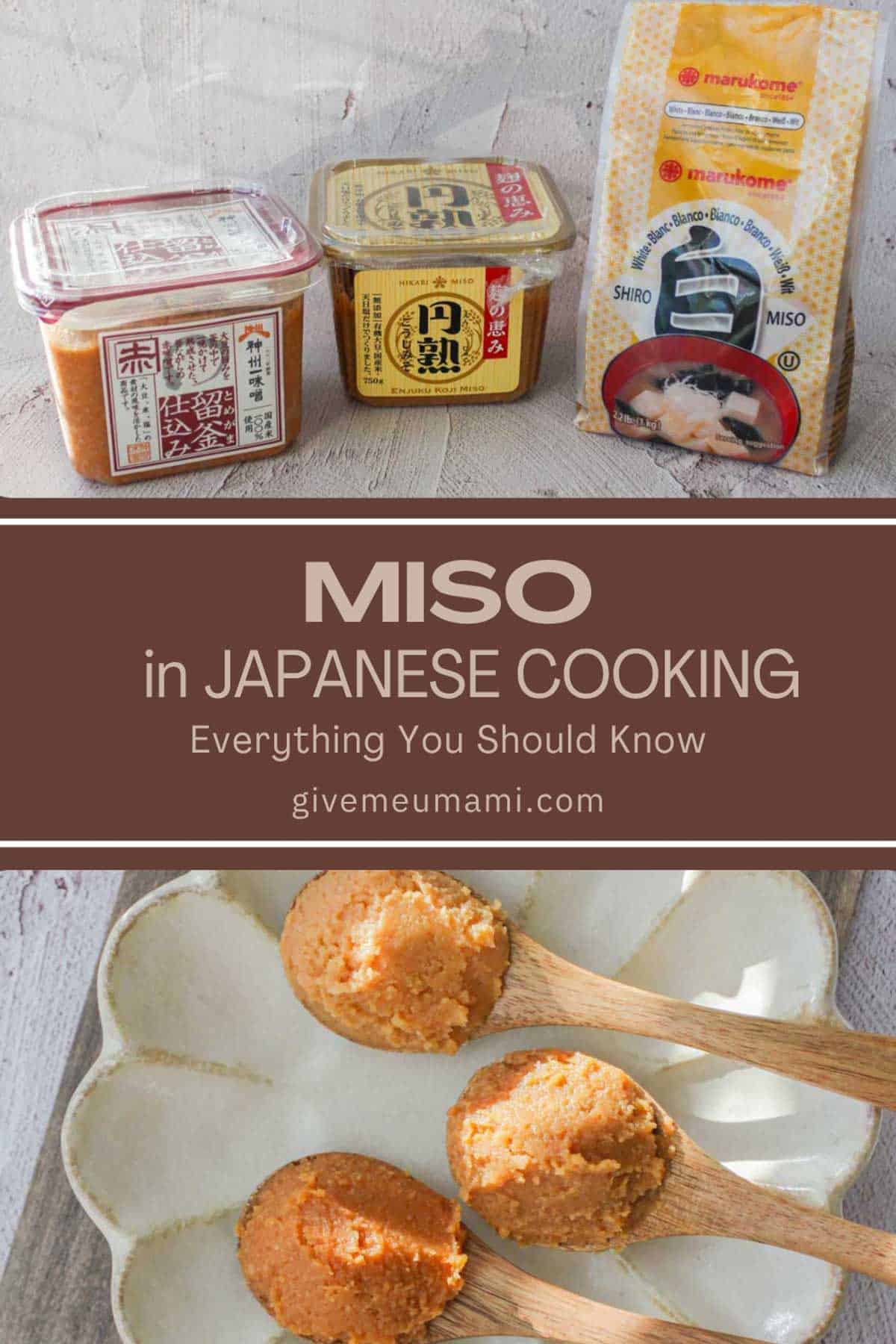
- Red miso (aka miso): This one is mostly soybeans, fermented longer for a bold, salty, and deep umami flavor. It’s perfect for hearty miso soups, braises, or dishes with meat.
- White miso (shiro miso): Made with more rice koji and fermented for a shorter time, this miso is sweeter and milder. It works well in lighter dishes like dressings, marinades, and miso soup with a delicate flavor.
- Light-colored miso (tanshoku miso): Similar to white miso but with a little more salt and a longer fermentation period, giving it a slightly richer, golden color. Think of this as something like a baby between red and white miso 👍
- Awase miso: A blend of different miso types, balancing flavors to get the best of both worlds!
Miso by Koji
- Rice miso: Has a naturally sweet flavor from the rice and comes in several varieties.
- Barley miso: Offers a savory, slightly nutty aroma with a clean aftertaste.
- Soybeans miso: Bold, salty, and packed with umami, making it great for slow-cooked or rich dishes.
Each type of miso has its own personality, so you can mix and match depending on what you’re cooking!
How to Choose the Right Miso
Picking the right miso depends on the flavor you’re going for in your dish.
- If you prefer mild, slightly sweet flavors, go with white miso (shiro miso) made with rice koji. It's light, versatile, and beginner-friendly.
- If you want a bolder, saltier flavor, try red miso (aka miso). It has a deeper, more robust taste and works well in heartier dishes.
When shopping for miso, I also recommend choosing one that:
- Is made with only the basic ingredients: soybeans, rice, barley, or other grains, salt, and water
- Is made with non-GMO soybeans
- Is labeled 「天然醸造」(naturally brewed), 「長期熟成」(long-aged), 「無添加」(additive-free), or 「生みそ」(raw miso)
- Has been fermented and aged for about a year, ideally
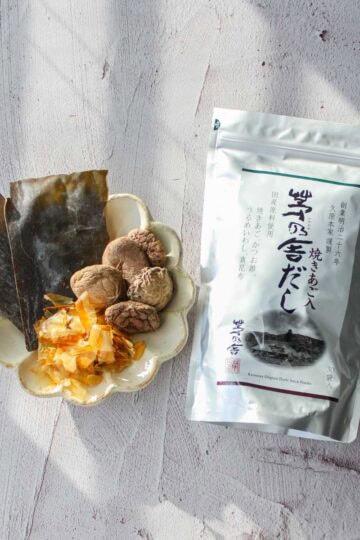
- Does not contain added dashi
Best Miso for Beginners
If you're just starting out, I recommend a light-colored miso made from rice koji and soybeans, such as Kodawattemasu or Enjuku miso. They have a well-balanced flavor that's not too salty or too sweet, making them versatile enough for miso soup, dressings, marinades, and other everyday Japanese dishes.
What Are Substitutes for Miso?
There’s really no perfect substitute for miso paste. But if you need a quick alternative, here are a few options:
- Doenjang (Korean miso): Similar in some ways, but stronger in smell and taste.
- Soy-free miso: Chickpea miso is a good alternative if you’re avoiding soy.
- Gluten-free miso: Brands like YUHO Organic Miso Paste and Kodawattemasu are great options.
- Low-sodium miso: Marukome Organic Miso Reduced Sodium or Kodawattemasu Mild Sodium are worth checking out.
Doenjang vs. Miso: What’s the Difference?
Doenjang and miso are both made from fermented soybeans, but they’re not quite the same:
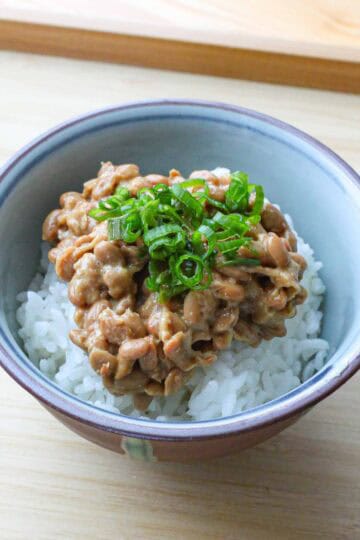
- Fermentation & Flavor: Doenjang is typically fermented longer and has a stronger, funkier smell (kind of like natto).
- How It’s Used: Doenjang is often stewed to bring out its deep flavors, while miso is usually added at the end of cooking to preserve its delicate taste.
If you’re looking for a bolder, saltier twist in your dish, doenjang can work as a substitute for miso, but keep in mind that the taste won’t be identical!
💡Want more ingredient swap ideas? Check out my guide on Ingredient Substitutions for Japanese Cooking!
Does Miso Go Bad? How to Store It Properly
Miso lasts a long time, but it can go bad if it’s not stored properly.
The best way to keep it fresh is to store it in the fridge or freezer with the lid tightly sealed to prevent drying out.
How Long Does Miso Last?
Shelf life varies by type, so always check the label! But as a general rule, for the best flavor and quality, use miso within 2 months after opening.
Tips for Keeping Miso Fresh Longer
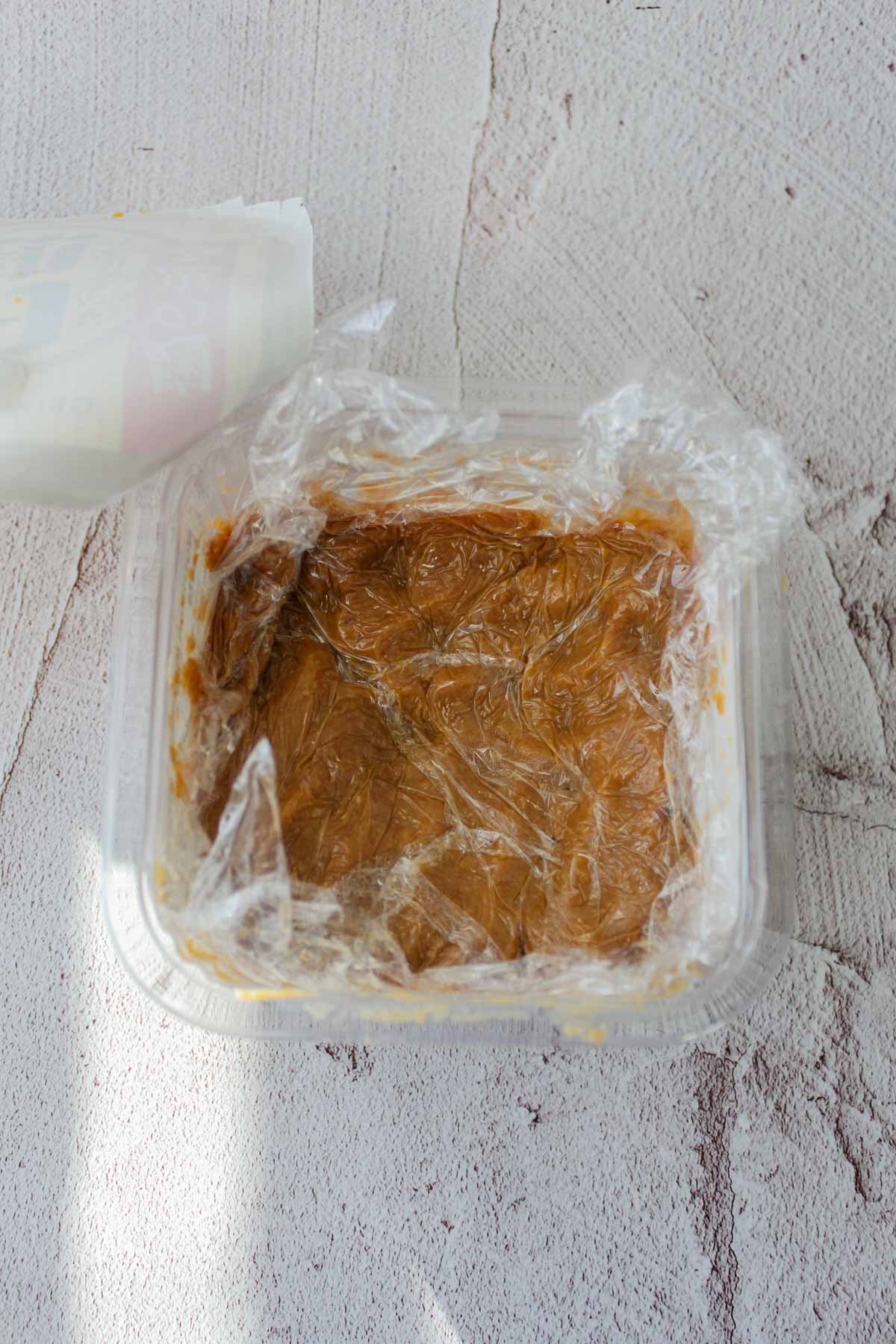
- Cover the surface: After opening, press a piece of plastic wrap directly onto the miso to minimize air exposure.
- Store in the fridge or freezer: It won’t freeze solid, so you can scoop it out easily even when frozen.
How to Tell If Miso Has Gone Bad
- Fluffy mold on top: If you see actual fluffy, thick mold, it’s best to toss it.
- Sour taste with no sweetness: Miso should be rich and savory, not sour.
Miso Changes That Are Not a Problem
- Dark liquid on top: That’s tamari, a natural byproduct of miso. Just mix it back in or use it as a soy sauce substitute!
- White film on the surface: This is just yeast, not mold. You can scrape it off along with about 5mm of miso around it, and keep using the rest.
💡 Bottom line: Keep it sealed, store it right, and your miso will stay fresh and flavorful for months!
Where to Buy Miso
You can easily find miso at most local grocery stores, Asian markets, or online retailers like Amazon.
For a wider variety of types and brands, I’d recommend checking out a specialty store, health food markets, or Japanese supermarkets. These places often have more authentic selections.
If you're looking for something really specific or just want a broader range of options, an Asian or Japanese grocery store is your best bet!
💡Learn more: Best Places to Buy Japanese Ingredients Online (coming soon!)
How to Use Miso in Cooking
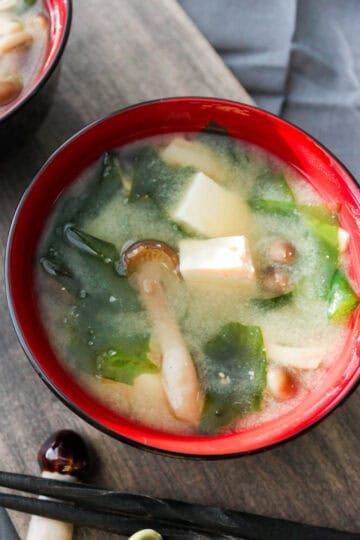
Miso is super versatile, so don’t hesitate to add it to any dish where you want a boost of deep umami and saltiness! Here are a few great ways to start incorporating miso into your cooking:


I hope you found this guide helpful!
If you have any questions or want more info, drop them in the comments below—I’d love to hear from you and make this guide even better!
If you enjoyed this guide, you might also like:
- A Step-by-Step Guide to Japanese Cooking for Beginners
- Essential Condiments to Get Started with Japanese Cooking
Have fun with miso! 🙂
📌Pin This Guide For Later!

Charlotte says
Thank you so much for all your information ❤️, really appreciate all the recipes too .