
In this post, I'm going to walk you through the basics of sake, one of the key ingredients in Japanese cooking. There are so many types out there, so it’s good to know how to pick the right one for cooking.
Stick with me, and by the end, you’ll feel super confident in choosing the perfect sake for your kitchen!
Jump to:
- What is Sake? What is Cooking Sake?
- What Types of Sake Should I Use for Cooking?
- Why Use Sake in Japanese Cooking?
- Are Sake and Mirin the Same?
- What Are Substitutes for Sake in Cooking?
- Does Sake Go Bad? How Should You Store It?
- Where to Buy Sake
- How to Use Sake in Cooking
- Frequently Asked Questions about Sake
- 📌Pin This Guide For Later!
What is Sake? What is Cooking Sake?
Sake (pronounced sah-keh), also called nihonshu (日本酒) in Japan, is a traditional Japanese alcoholic beverage made by fermenting rice with koji and yeast. It's a key ingredient in many Japanese dishes and adds depth of flavor and umami.
Cooking sake (ryorishu, 料理酒) is a little different. It's specifically made for cooking, and while it's similar to regular sake, it usually contains added salt to make it undrinkable. This allows it to be sold as a cooking ingredient rather than an alcoholic beverage, making it less expensive in some places.
If a recipe calls for "sake," I recommend using regular, drinkable sake, but cooking sake can work as well.
Just a heads-up: both types typically contain around 13–15% alcohol, but most of the alcohol evaporates during cooking.
What Types of Sake Should I Use for Cooking?
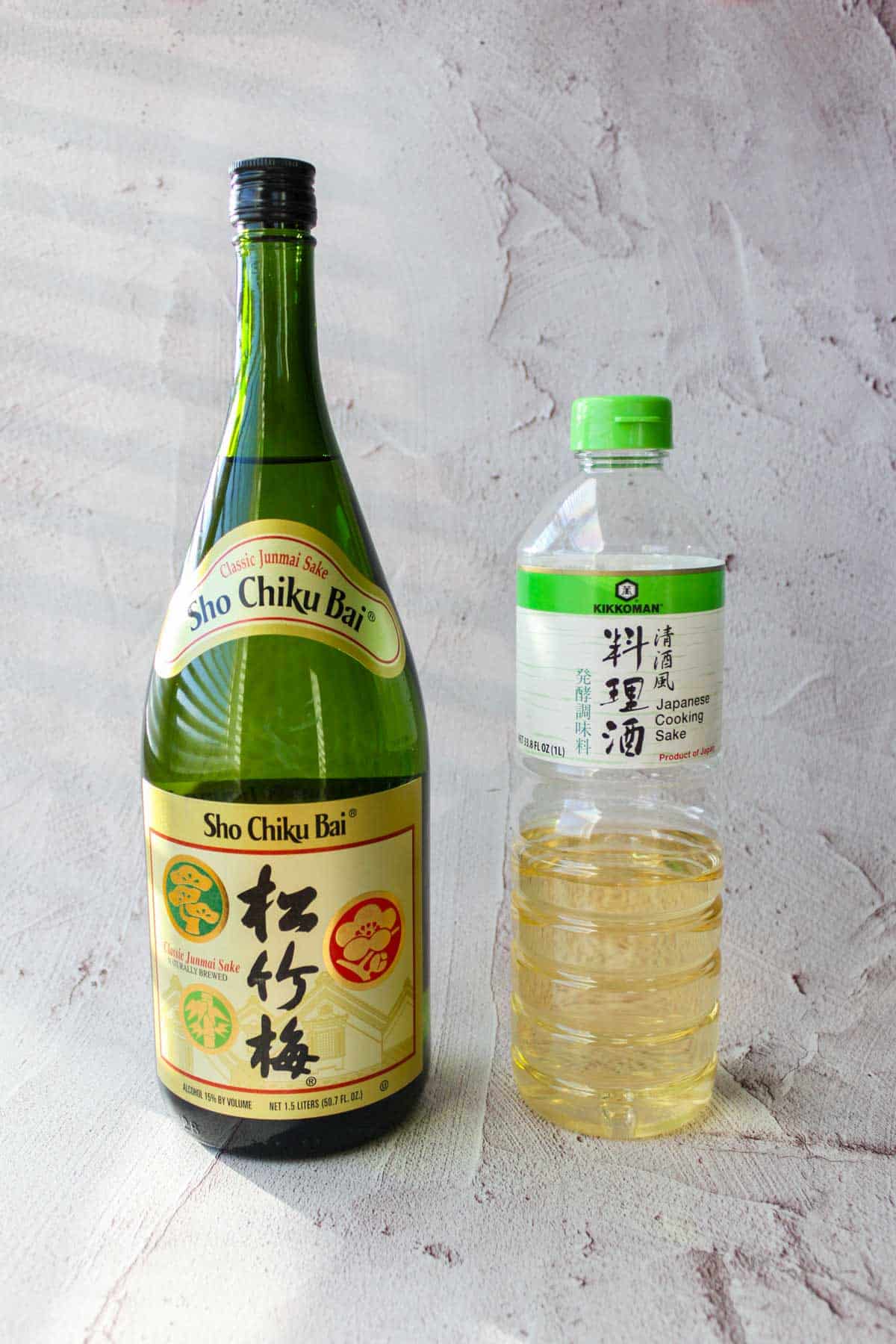
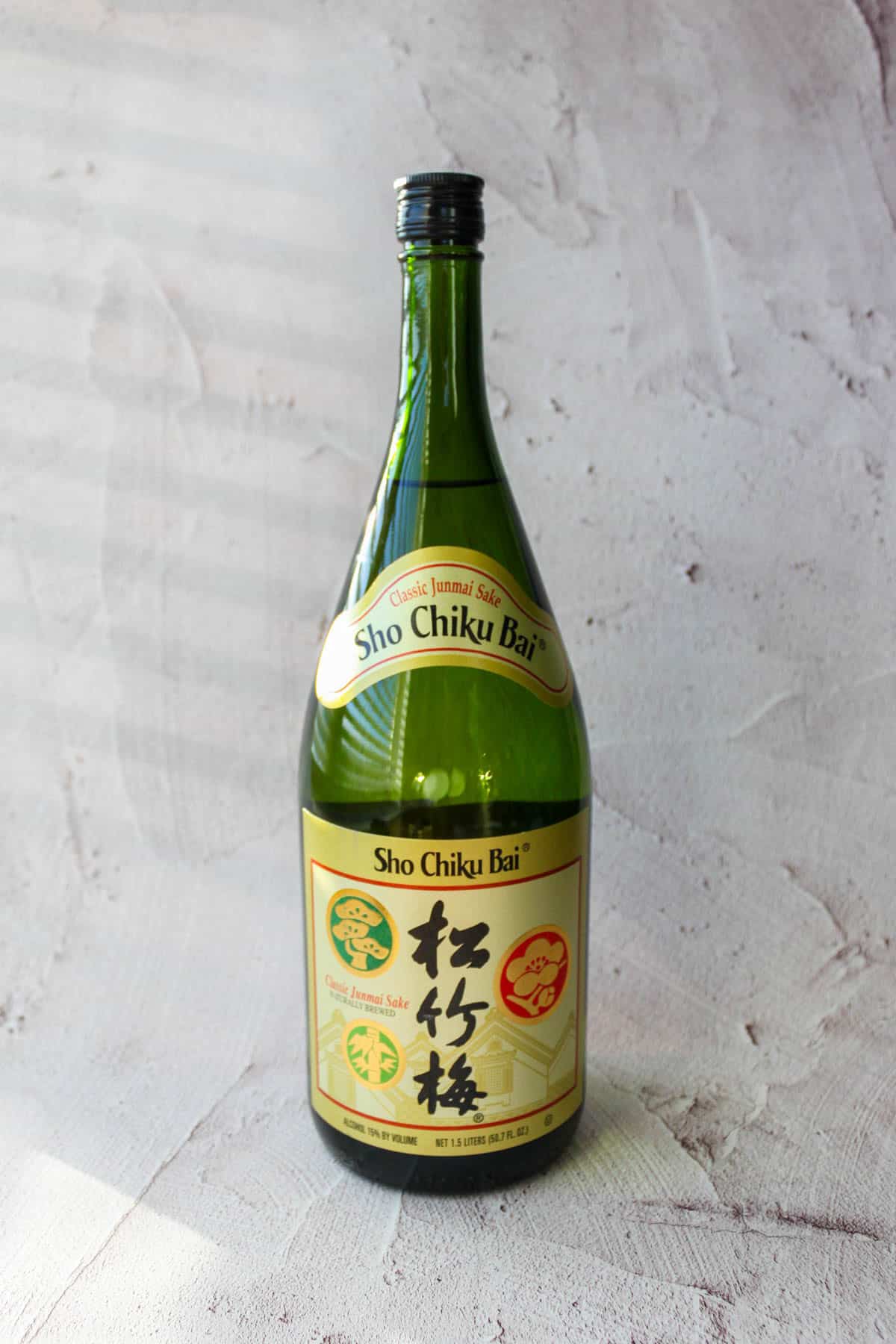
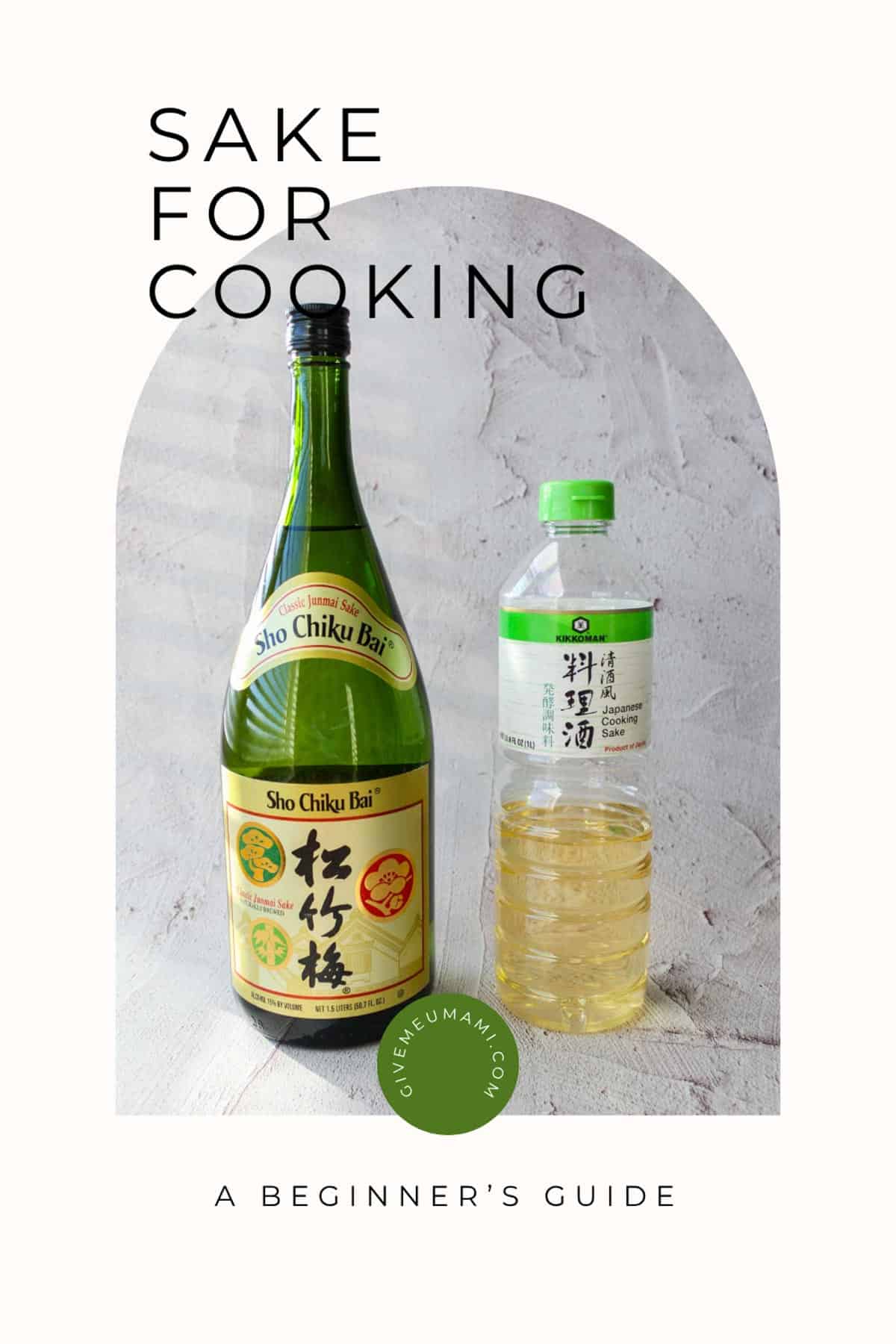
There are several types of sake you can use for cooking, but if you want a reliable choice, I recommend junmai-shu (純米酒). It's made only with rice, koji, and water, which gives it a rich rice flavor that works beautifully in dishes. It's also suitable for heating, making it a great choice for cooking.
Some great options include Gekkeikan, Sho Chiku Bai, or really any affordable junmai-shu you can find.
You can also use cooking sake, but keep in mind that it contains added salt, which can affect the final flavor of your dish. It also generally doesn't provide the same depth of flavor as regular sake.
If you do go for cooking sake, I recommend looking for one with fewer additives, like Morita Premium Organic Cooking Sake, for a better flavor.
Why Use Sake in Japanese Cooking?
Sake is a key player in Japanese cooking because it does so much! It's used to:
- Bring out umami and enhance the flavors of the other ingredients
- Help get rid of any fishy or meaty smells
- Preserve the shape of your ingredients
- Aid in flavor absorption
- Soften the ingredients to make them more tender
You can think of sake kind of like how wine is used in Italian or French cooking. While the flavors are different, both serve the same purpose of enhancing and elevating the dish!
Are Sake and Mirin the Same?
Think of mirin as a sweeter version of sake, but they each have their own role in cooking.
Here’s a quick breakdown of what each one does:
- Sake: It helps soften ingredients and gets rid of any unwanted odors. Use it when you want your ingredients to be tender without adding sweetness.
- Mirin: It adds a nice touch of sweetness and gives dishes a beautiful, shiny finish. Use it when you want that sweet flavor without needing to soften anything.
So, when you use both together, you get the best of both worlds:
- Softened ingredients (thanks to the sake).
- Sweetness (thanks to the mirin).
- A shiny finish (also from the mirin).
It's a great combo to keep in your kitchen! 🙂
💡If you want to dive deeper, check out my Complete Beginner's Guide to Mirin.
What Are Substitutes for Sake in Cooking?
Can't find sake for your recipe? No worries! You can try these substitutes instead:
- Cooking sake: It’s the closest option, though it does have added salt, so it might alter the flavor a bit.
- Shochu: A Japanese spirit that can give you a similar effect, but it’s stronger, so use sparingly.
- Dry white wine: Something like dry sherry works well as a substitute for sake, though the flavor will be a bit different.
- Water: In many cases, you can use water as a substitute, especially if you just need a little extra liquid or want to tone down the saltiness of a dish. Just keep in mind that water won't add the same depth of flavor or umami that sake does.
Just remember, these substitutes might not give you the same depth of flavor as sake, so you may need to adjust the seasoning to balance it out.
Does Sake Go Bad? How Should You Store It?
Sake is like any other alcohol. It can lose its flavor over time if exposed to oxygen, heat, and light.
To keep it tasting its best, store it in a cool, dark place, and try to use it within six months after opening. Always check the label, too, as some bottles might have their own storage tips.
Where to Buy Sake
You can easily find sake at Asian grocery stores that carry alcohol, liquor stores, or even on the brand's official website.
For cooking sake, you'll usually find it online or in most Asian grocery stores, often right next to other Japanese condiments like soy sauce and mirin.
How to Use Sake in Cooking
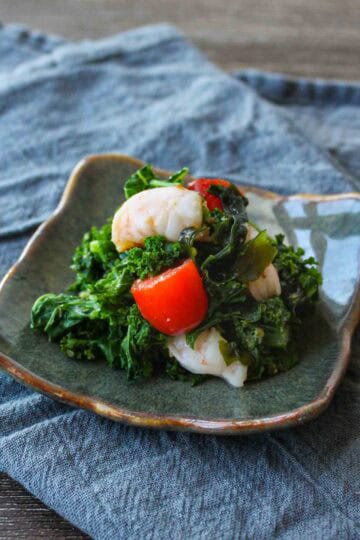
You can use sake just like you would any other alcohol in cooking to enhance flavors!
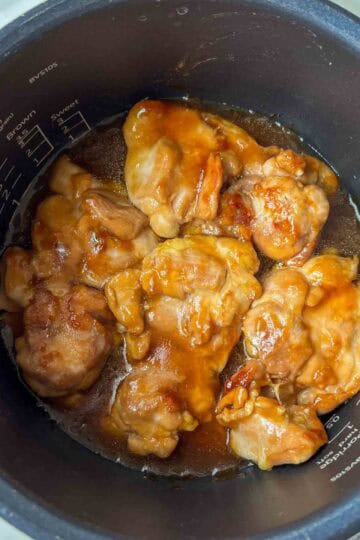
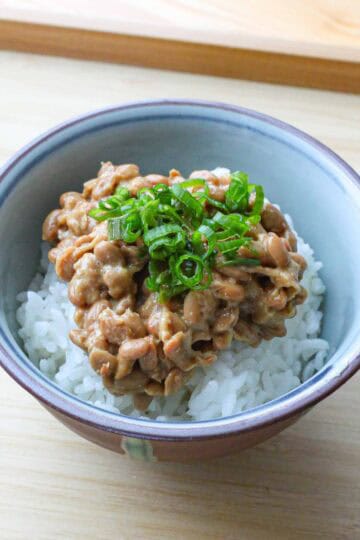
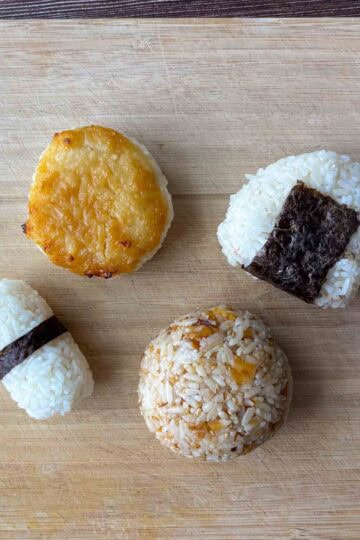
Here are a few recipes where sake really shines:


Frequently Asked Questions about Sake
Nope, cooking sake isn’t for drinking because it contains about 2-3% salt, which makes it taste pretty much like seawater. Regular sake, though, doesn't have any added salt and is definitely drinkable.
The alcohol in sake pretty much cooks off after 1-3 minutes of heating, so it’s safe for kids!
But, if you're using sake in a dish that doesn't require cooking, like in salads, it's best to heat it first to get rid of the alcohol.
I hope this clears things up!
If you're looking to dive deeper into Japanese cooking, check out these articles:
- A Step-by-Step Guide to Japanese Cooking for Beginners
- Essential Condiments to Get Started with Japanese Cooking
Happy cooking! 🙂
📌Pin This Guide For Later!
Comments
No Comments