
Soy sauce is a staple in Japanese cooking, but with so many types out there, it can be tricky to know which one to use.
In this post, we'll break it all down—what makes Japanese soy sauce unique, how to use it, and how to pick the right one for your needs.
Jump to:
- What is Japanese Soy Sauce and How Is It Made?
- What Does Japanese Soy Sauce Taste Like?
- Is Soy Sauce Bad for You?
- Different Types of Japanese Soy Sauce
- How to Choose Japanese Soy Sauce
- How is Japanese Soy Sauce Different from Others?
- What Are Substitutes for Japanese Soy Sauce?
- Does Soy Sauce Go Bad? How Should You Store It?
- Where to Buy Soy Sauce
- How to Use Soy Sauce in Cooking
- 📌Pin This Guide For Later!
What is Japanese Soy Sauce and How Is It Made?
Japanese soy sauce has become pretty popular in recent years, so you may already be familiar with it. It's an umami-rich, salty liquid condiment that's widely available at both regular grocery stores and Asian grocery stores.
It's made from soybeans, wheat, salt, and water. These ingredients are combined, then fermented and aged before being pressed into soy sauce.
Traditionally, soy sauce is fermented in wooden vats for over a year, but today many manufacturers use alcohol or other additives to speed up the process.
What Does Japanese Soy Sauce Taste Like?
Japanese soy sauce isn't just salty. It's also slightly sweet, a little spicy, and full of umami from the fermentation process.
Because it has so many layers of flavor, I often use soy sauce instead of plain salt when a dish tastes like it's missing saltiness and a little something extra.
Is Soy Sauce Bad for You?
Some people worry about soy sauce being too salty, but like any condiment, it's totally fine in moderation. Plus, there are ways to enjoy it without overdoing the salt!
How Much Salt is in Soy Sauce?
- Usukuchi (lighter soy sauce): 16–17%
- Koikuchi (regular soy sauce): 14–15%
How to Cut Down on Salt Without Losing Flavor
- Use umami-rich ingredients like katsuobushi and canned tuna to add depth to the dish, so you don’t need as much soy sauce
- Balance flavors with a little acidity or spice instead of just adding more soy sauce.
- Choose high-quality soy sauce! It’s richer, so you need less than regular soy sauce
What Are the Health Benefits of Soy Sauce?
Some of the main health benefits of soy sauce include:
- Helps with digestion
- Fights harmful bacteria
- May help lower blood pressure
- Has anti-inflammatory effects
- Has potential anti-cancer properties
(Just a friendly reminder—I’m not a doctor or nutritionist, so take this as general info!)
Different Types of Japanese Soy Sauce
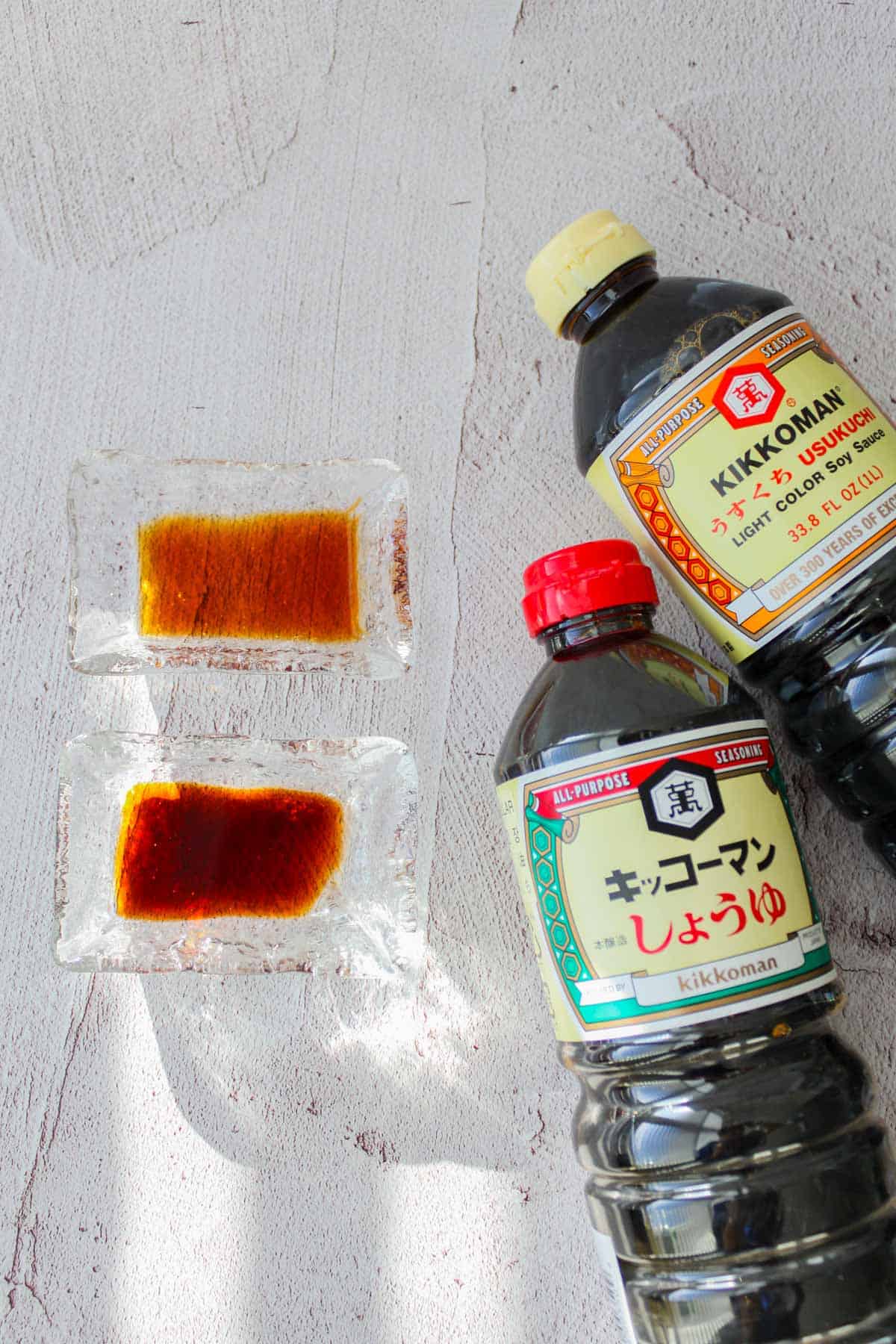
There are several types of Japanese soy sauce, but let's keep it simple and focus on the three you're most likely to see at the store:
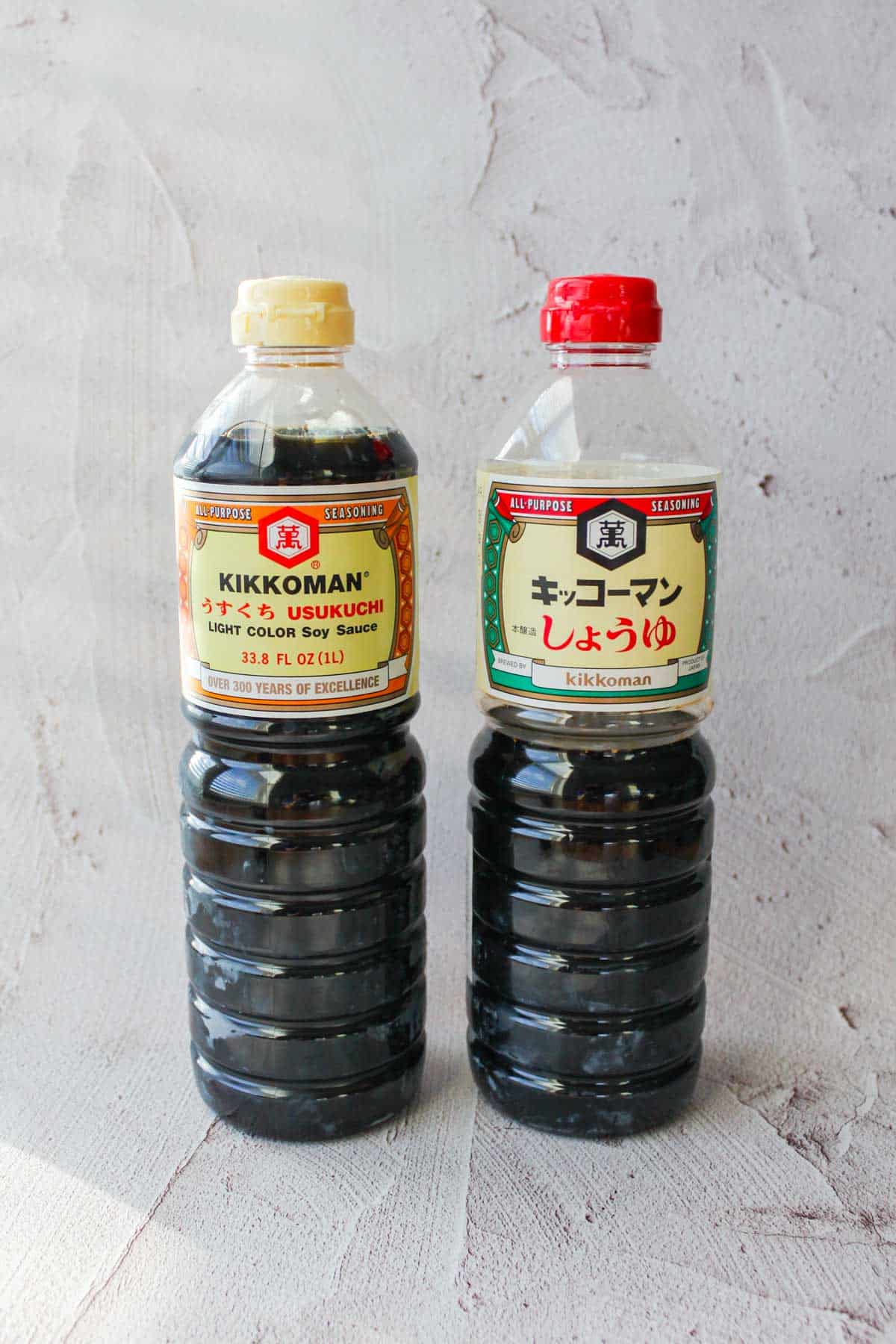
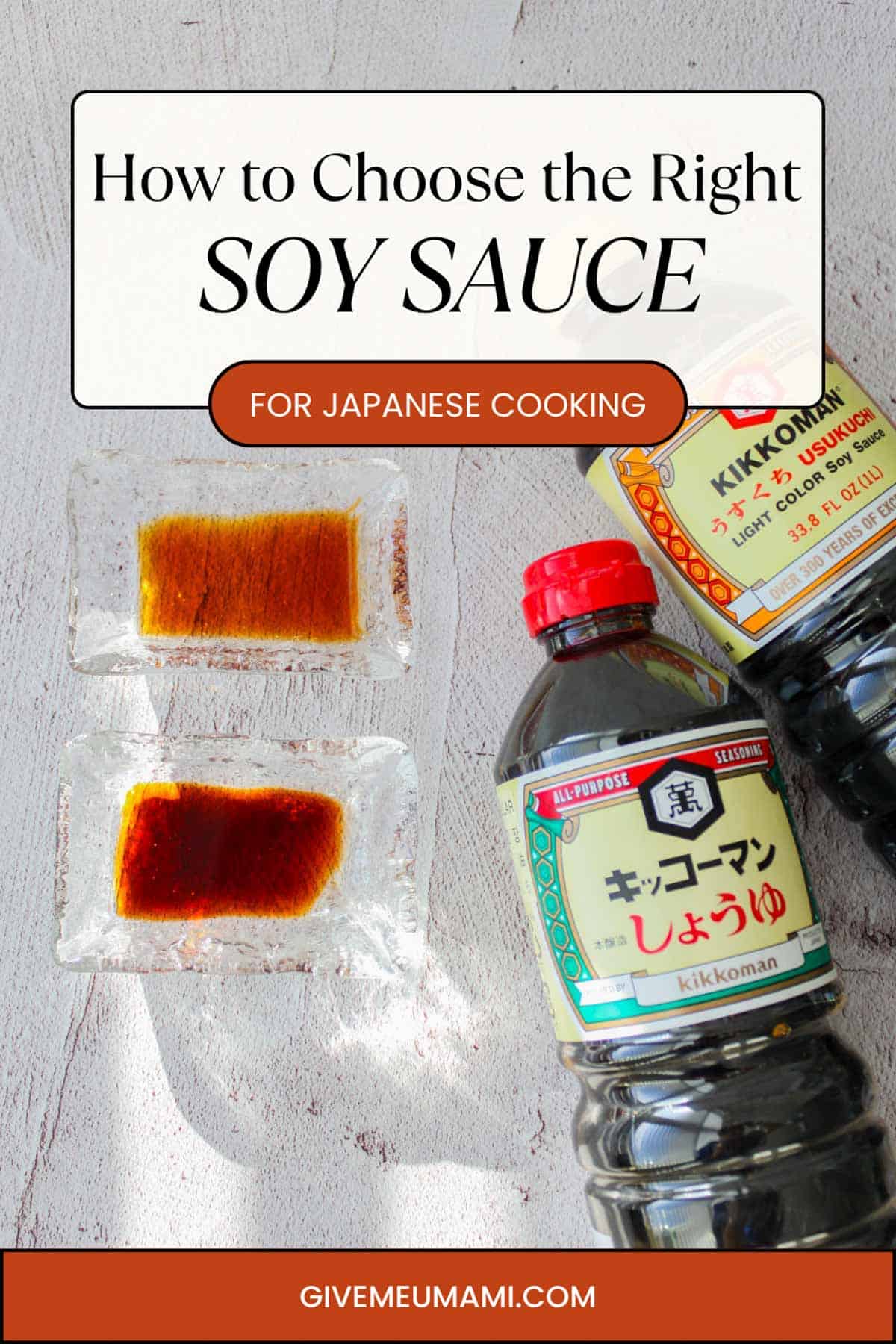
- Koikuchi: This is the classic, all-purpose soy sauce. If you're getting into Japanese cooking, this is the one you'll want to keep in your kitchen.
- Usukuchi: It's lighter in color because it's fermented for a shorter time, but don't let that fool you. It's actually saltier than koikuchi. It comes in handy when you want to season a dish without darkening its color.
- Tamari: It's made with soybeans and little to no wheat, so it's often used as a gluten-free alternative to soy sauce. It's also fermented longer than other types of soy sauce, giving it a richer flavor, thicker texture, and more umami.
How to Choose Japanese Soy Sauce
If you’re shopping for soy sauce and want something traditional, here are a few things to look for:
- Made with only the basic ingredients: soybeans, wheat, salt, and water
- Made with non-GMO soybeans and without defatted soybeans
- Ideally, traditionally brewed and aged for at least a couple of years
Some Recommendations
- Affordable koikuchi: Kikkoman Organic Soy Sauce
- Premium koikuchi:
- Usukuchi:
- Tamari:
How is Japanese Soy Sauce Different from Others?
There are all kinds of soy sauces (and soy sauce-like condiments) out there, and each one has its own unique characteristics. Here’s how they compare to Japanese soy sauce:
- Dark Soy Sauce (China): Thicker, sweeter, and less salty than Japanese soy sauce.
- Light Soy Sauce (China): Saltier than dark soy sauce and pretty similar to Japanese koikuchi soy sauce.
- Soya Sauce: Just another name for soy sauce. Same thing!
- Tamari: Made mostly from soybeans with little to no wheat, so it’s usually gluten-free.
- Liquid Aminos: Made from soy, but slightly sweeter than regular soy sauce.
- Coconut Aminos: Made from fermented coconut palm sap, it’s milder and naturally sweeter than soy sauce.
- Fish Sauce: Completely different thing! It’s made from fermented fish, so it has a strong, salty, umami kick.
- Maggi: Made from hydrolyzed wheat protein, giving it a deep, savory flavor.
- Oyster Sauce: Thicker, sweeter, and made from oysters, so it’s got a rich, umami-packed taste.
What Are Substitutes for Japanese Soy Sauce?
Here are some soy sauce alternatives and when to use them:
- Mentsuyu: Made with soy sauce, sugar, mirin, and dashi. It has a similar flavor to soy sauce but is sweeter, so be careful if swapping it in.
- Oyster sauce: Works well as a soy sauce alternative, especially in Chinese-style dishes.
- Fish sauce: Has a salty, umami flavor like soy sauce but with a strong fishy aroma. It’s a great swap for recipes that use fish-based dashi.
- Ponzu: A mix of soy sauce and citrus, so it can replace both soy sauce and vinegar in a recipe.
- Coconut aminos / liquid aminos: Similar to usukuchi soy sauce but lighter and a bit sweeter.
- Tamari: The best gluten-free alternative to soy sauce.
- Light soy sauce: Very close in flavor to koikuchi soy sauce, so it’s an easy substitute.
💡Want more swap ideas? Check out Ingredient Substitutions for Japanese Cooking!
Does Soy Sauce Go Bad? How Should You Store It?
Soy sauce won’t spoil or go bad, but its flavor can fade over time once you open the bottle. So it’s recommended to use up a bottle within 1-2 months after opening for the best flavor and aroma.
How to Keep Soy Sauce Fresh
- Store it in a cool, dark place before opening
- Refrigerate after opening to maintain flavor
- Keep it away from heat, light, and air to prevent it from losing its punch
Where to Buy Soy Sauce
You can find soy sauce pretty easily! Check the Asian aisle at your local grocery store, or head to the Japanese condiment section at an Asian market.
If you’re after really good soy sauce, though, Amazon usually has the best selection of high-quality options.
💡Want more tips? Check out Best Places to Buy Japanese Ingredients Online (coming soon!)
How to Use Soy Sauce in Cooking
You can use soy sauce the same way you’d use salt, but the bonus is that it adds way more depth and umami to your food.
Most Japanese dishes use soy sauce in some way, but if you’re just getting started, here are a couple of great recipes to try:
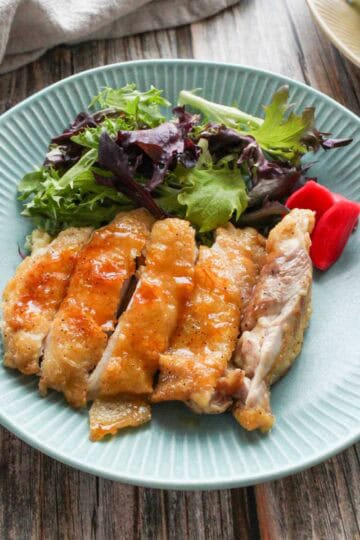
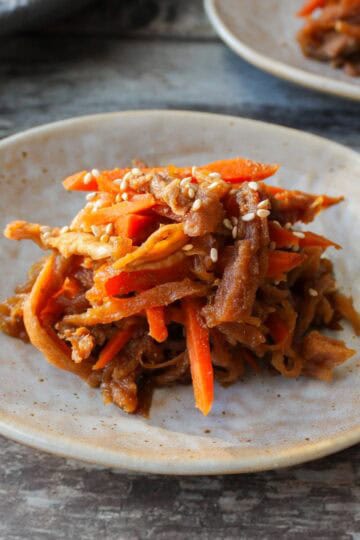
- Teriyaki Chicken, Karaage: A classic! It shows how soy sauce can be the main seasoning and still keep things balanced and flavorful.
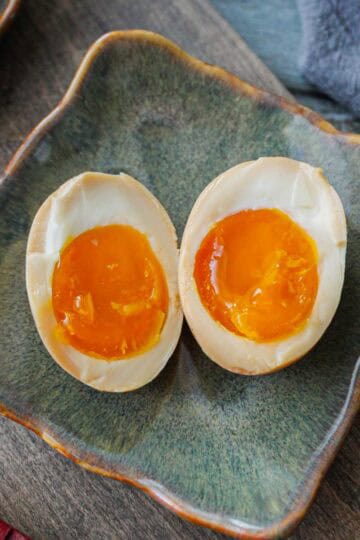
- Simmered Kiriboshi Daikon, Ajitama: A great example of how soy sauce adds depth, not just saltiness. It brings out the daikon’s natural sweetness and makes the whole dish more flavorful.

And that’s a wrap on this ultimate soy sauce guide!
I hope it helped answer your questions. If there’s anything you’re still wondering about, feel free to drop a comment below. I’d love to keep improving this guide for you 🙂
If you liked this post, you might also enjoy:
- A Step-by-Step Guide to Japanese Cooking for Beginners
- Essential Condiments to Get Started with Japanese Cooking
Happy cooking (with soy sauce, of course)! 🙂
📌Pin This Guide For Later!
Comments
No Comments